When we think of food, most of us focus on how it fuels the body, giving energy to our muscles, keeping our hearts strong, and supporting our bones. But what’s often overlooked is how the foods we eat impact our mental health. The brain requires a constant flow of nutrients to function properly, and research shows that diet plays a key role in mood regulation, anxiety, and even depression.
Studies indicate that people who follow whole-food-rich diets, like the Mediterranean diet, or consume plenty of fruits and vegetables, are less likely to experience long-term depressive or anxiety symptoms. Conversely, diets high in ultra-processed foods (UPFs), including packaged snacks and frozen meals, are linked with higher risks of mental health disorders. Even short-term dietary improvements, like following a Mediterranean-style plan for a few weeks, have been shown to reduce depressive symptoms in some cases.
Several factors explain this connection. Nutrients from whole foods support the production of neurotransmitters such as dopamine (motivation and reward), serotonin (mood regulation), and GABA (calming effects).
Additionally, the gut microbiome, our internal ecosystem of beneficial bacteria, communicates with the brain, influencing mood and mental wellness. Eating fiber-rich, vitamin-packed foods helps these probiotics thrive, further supporting brain function. Finally, whole foods reduce inflammation, a factor increasingly linked to anxiety and depression, while processed foods can trigger inflammatory responses.
Below are five food categories that research suggests are particularly effective for improving mental health.
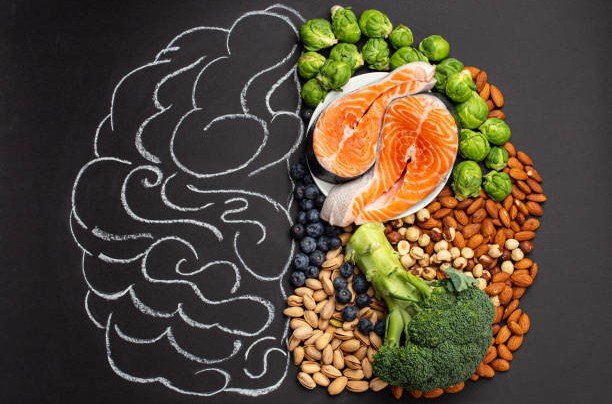
Credit: iStock
1. Leafy Greens and B-Vitamin-Rich Foods
Leafy greens like spinach, kale, and arugula are nutritional powerhouses for the brain. Packed with B vitamins, especially B6, B9 (folate), B1, and B2—they support neurotransmitter production and provide energy for optimal brain function. Deficiencies in B vitamins have been linked to higher risks of depression and cognitive issues.
Other B-vitamin sources include legumes, whole grains, nuts, and seeds. Leafy greens are also rich in antioxidants, including vitamins A, C, and E, which help combat inflammation and protect the brain from oxidative stress. Experts recommend getting these nutrients from foods rather than supplements for better absorption.
2. Fatty Fish and Omega-3 Rich Foods
Fatty fish such as salmon, tuna, and trout are excellent sources of omega-3 fatty acids, known for their anti-inflammatory effects. Omega-3s support brain cell structure, enhance neuroplasticity (the brain’s ability to form new neural connections), and may reduce symptoms of depression.
Plant-based omega-3 sources include chia seeds, flaxseeds, and walnuts. Incorporating these foods into your diet can help maintain a healthy inflammatory balance in the body and optimize neurotransmitter activity for improved mood.
3. Berries for Antioxidants and Gut Health
Berries like blueberries, blackberries, and strawberries are rich in antioxidants such as flavonoids and vitamin C, which reduce oxidative stress in the brain. Research also suggests that these compounds may enhance nerve signaling, supporting cognitive function and emotional health.
Additionally, berries serve as a food source for gut bacteria, helping maintain a balanced gut microbiome, which plays a crucial role in the gut-brain axis and mood regulation. For more on gut-brain interactions, see this Harvard article on gut health.
4. Prebiotic Foods for a Healthy Microbiome
Prebiotic-rich foods nourish the beneficial bacteria in your gut, enhancing the production of serotonin and other mood-regulating neurotransmitters. Common prebiotics include:
- Alliums: onions, garlic
- Root vegetables: sweet potatoes, carrots
- Whole grains: oats, barley
Berries also contain prebiotics. As gut bacteria digest these fibers, they produce short-chain fatty acids (SCFAs), which reduce inflammation in the brain and body, potentially improving mental health outcomes. Learn more about prebiotic foods and mental health.
5. Fermented Foods for Probiotic Support
Fermented foods like kimchi, kefir, yogurt, and sauerkraut are packed with live beneficial bacteria that help balance the gut microbiome. Probiotics and their metabolic byproducts can reduce inflammation and enhance neurotransmitter production, supporting mood and cognitive function.
Adding fermented foods to your diet complements prebiotic intake, creating a healthy gut environment that positively influences brain health. For guidance, check out this guide on fermented foods.
Conclusion
While no single food can replace medical treatment for depression or anxiety, consuming a diet rich in leafy greens, fatty fish, berries, prebiotics, and fermented foods is a natural way to support your mental health. Prioritizing whole, nutrient-dense foods helps reduce inflammation, nourish your gut microbiome, and boost neurotransmitter production, all of which can contribute to a more balanced mood over time.


